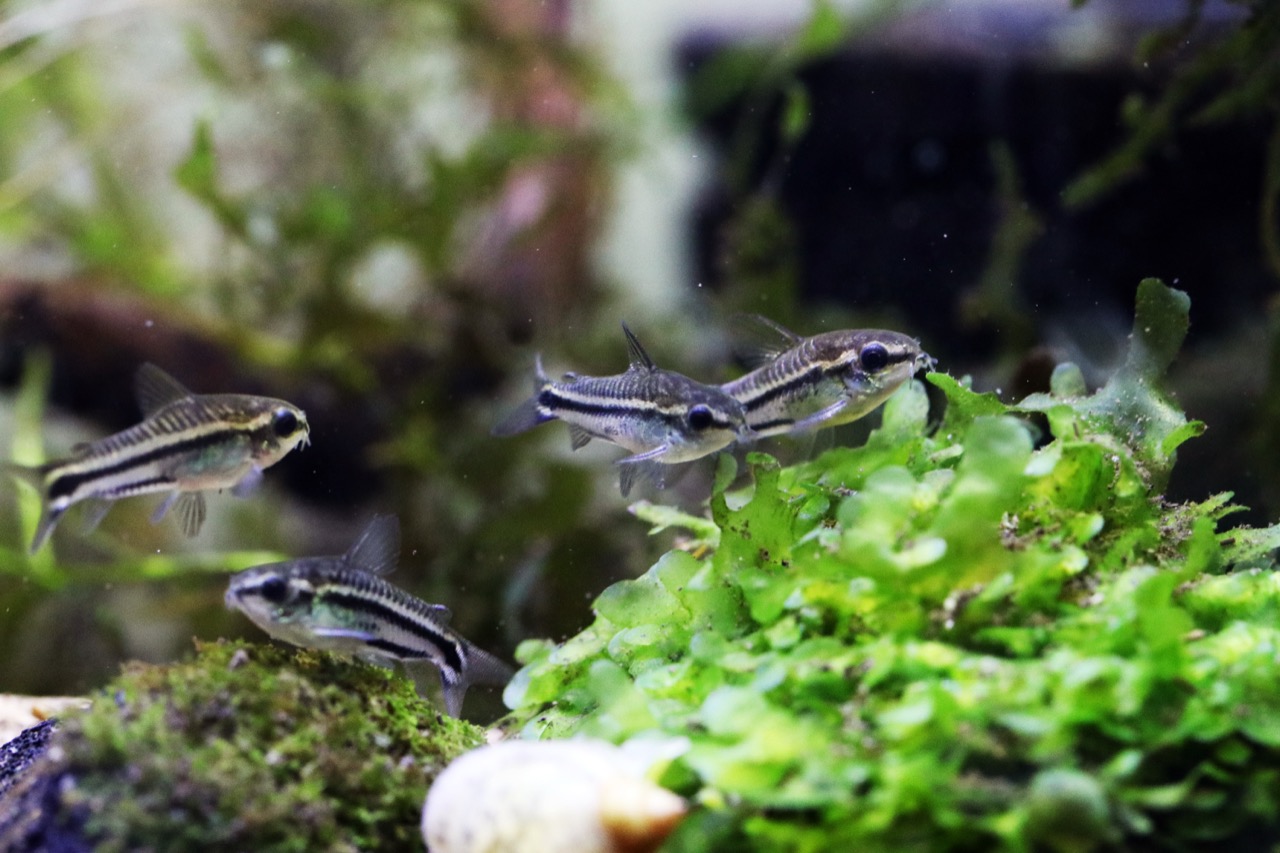
Curious about those tiny, whiskered fish zipping along the bottom of freshwater tanks like a synchronized search party? This trivia quiz explores the essentials for keeping these miniature armored explorers healthy, happy, and constantly on the move. From ideal group sizes and tank layouts to water parameters and feeding tricks, each question tests how well you understand their underwater needs. Expect to uncover why they zoom to the surface, what they prefer under their fins, and which tankmates keep their stress levels low. Whether you already keep these little bottom cruisers or are just fascinated by small, social fish with big personalities, this quiz turns must-know care details into a fast-paced challenge. Sharpen your knowledge, compare your guesses with the explanations, and see if you are truly ready to design the perfect underwater world for these energetic micro catfish.

What type of substrate is safest for their delicate barbels and undersides?
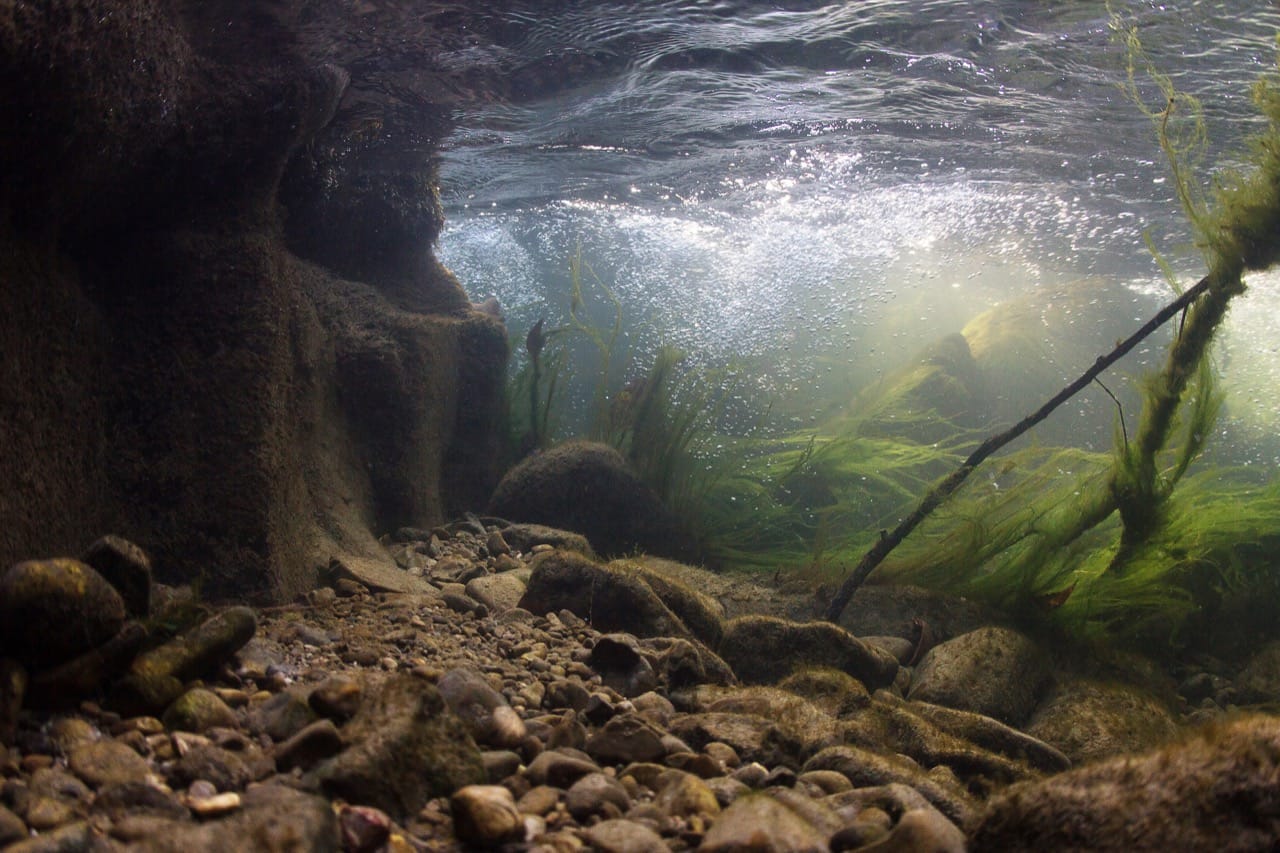
Which water flow condition best matches their natural preference?

Which type of tankmate is most suitable for these peaceful, tiny catfish?
Which type of food should form the core of their diet in a home aquarium?

These catfish often dash to the surface and back down. What is the main reason for this behavior?

Which water temperature range is generally comfortable for these small tropical catfish?

What is the ideal minimum group size to keep these tiny bottom-dwelling catfish feeling secure and social?
How should feeding be adjusted when these catfish share a tank with fast midwater fish?

Which tank footprint best suits these small catfish that constantly patrol the bottom?

Which aquascape feature best encourages natural behavior and confidence in these fish?

Why is regular partial water changing especially important for these miniature catfish?
What general pH range works well for these small South American catfish in captivity?

Tiny River Scouts: Caring for Miniature Armored Catfish
If you have ever watched a group of tiny, whiskered fish scooting along the bottom of an aquarium like a coordinated search team, you have probably met dwarf corydoras or other small armored catfish. These fish are sometimes called mini catfish or micro corys, and they are beloved for their playful behavior, peaceful nature, and endearing appearance. Understanding how to care for them properly is the key to keeping them healthy, active, and full of personality.
The first thing to know about these little river scouts is that they are highly social. In nature, they live in large groups, sifting through sand and leaf litter together. In a home aquarium, they should never be kept alone. A group of at least six of the same species is recommended, and more is often better if the tank size allows. When they feel safe in a group, they show more natural behaviors, explore the tank together, and experience less stress.
Tank layout and substrate make a big difference to their comfort. These fish spend much of their time on the bottom, using their sensitive whiskers, called barbels, to search for food. A soft, smooth substrate is essential. Fine sand is ideal because it lets them dig and forage without damaging their barbels. Rough gravel or sharp stones can injure them over time, leading to infections or difficulty eating. Adding smooth rocks, driftwood, and live plants gives them hiding places and breaks up sight lines, making them feel more secure.
Water quality is another critical part of their care. Mini armored catfish generally prefer clean, well oxygenated water with stable parameters. Many species do well in slightly acidic to neutral water, but consistency is more important than chasing perfect numbers. Regular water changes, gentle filtration, and avoiding sudden swings in temperature or chemistry help keep them healthy. Because they are small and sensitive, they should never be placed in an uncycled or unstable tank.
One of the most charming behaviors you may notice is their habit of darting to the surface for a quick gulp of air. These fish possess a modified intestine that allows them to absorb oxygen from air as a backup to gill breathing. Occasional surface trips are normal, but if they are gasping constantly, it can signal poor water quality or low oxygen levels.
Feeding these bottom dwellers correctly means more than just sprinkling flakes at the surface. While they may snack on leftovers, they need their own sinking foods to thrive. Small sinking pellets, wafers, and frozen or live foods like bloodworms or daphnia work well. Offering a variety of foods and feeding after lights dim can ensure shy individuals get their share. Overfeeding should be avoided, as uneaten food can quickly foul the water.
Choosing peaceful tankmates is also important. Tiny armored catfish do best with small, calm fish that will not nip at their fins or outcompete them for food. Avoid large or aggressive species. When kept in the right group size, in a soft bottomed, well planted tank with clean water and gentle companions, these miniature armored explorers reward you with constant motion, curious behavior, and a glimpse into the hidden life along the riverbed.